English


/01
Quality Assurance
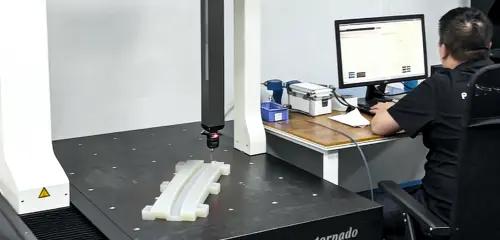
Our ISO 9001, ISO 13485, and AS9100D certified processes, paired with CMM inspection and material performance testing, ensure consistent dimensional accuracy and mechanical stability for every part.
Rapidly obtain high-strength, functional thermoplastic parts. Upload your 3D file for an instant quote and production-ready components in 2-4 days.
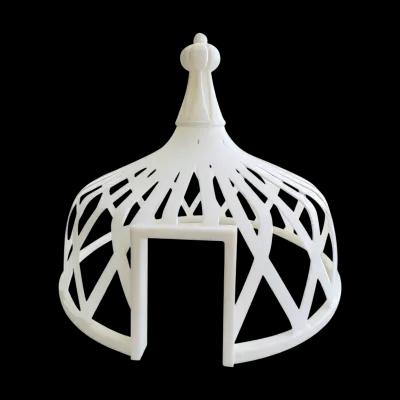
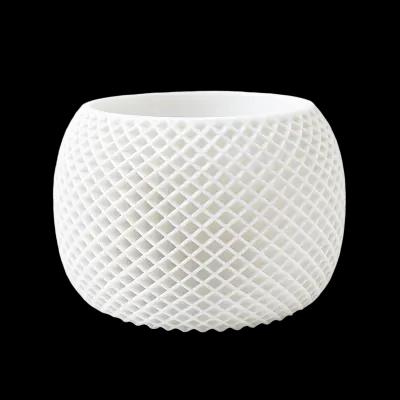
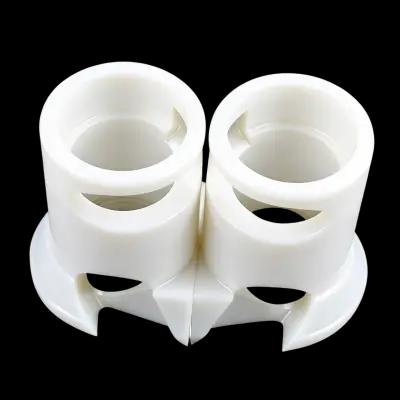
Get an instant quote today.
Get instant pricing, project lead times, and DFM feedback
STEP | STP | SLDPRT | STL | OBJ | 3MF | IGES | X_T | X_B | PRT | SAT | JT files
File size: 15MB
Trusted by Engineers and Purchasing Leaders at the World's Most Successful Companies









LS Manufacturing delivers industrial-grade additive manufacturing solutions with ±0.1% dimensional accuracy, backed by 15+ years of specialized expertise, dual ISO/AS9100 certification, and a 99.5% on-time delivery record for rapid prototyping and end-use production.
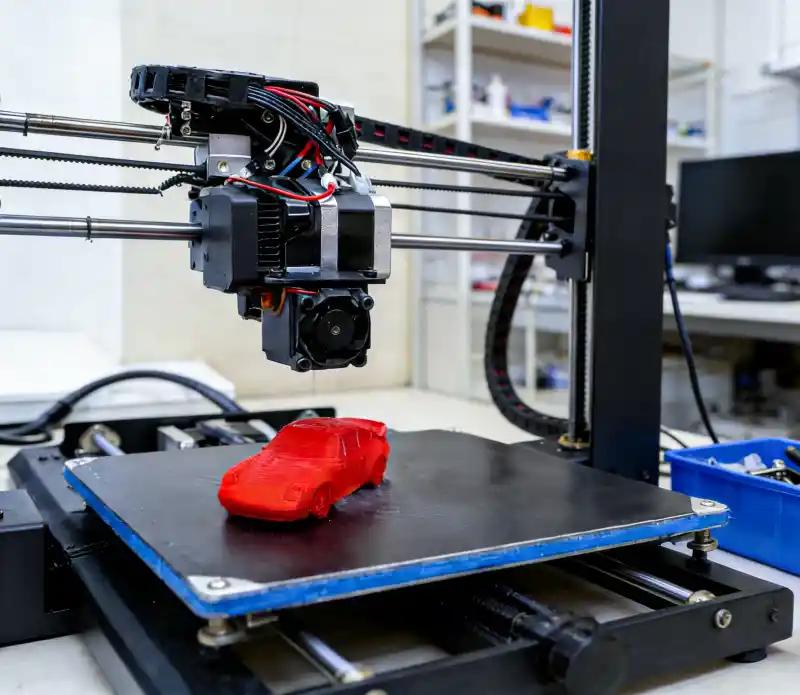
Supports industrial-grade materials such as ABS, PETG, PEEK, and carbon fiber-reinforced composites, meeting performance needs for high strength, high-temperature resistance, and chemical corrosion resistance.
Maximum build size up to 400×400×500mm, paired with a closed-loop temperature-controlled extrusion system to ensure dimensional accuracy and interlayer bonding strength of large-size parts.
Equipped with online deviation correction and material flow monitoring systems; mechanical performance test reports are provided for critical parts to ensure industrial-grade delivery reliability.
AI algorithms automatically generate lightweight supports, reducing material waste and post-processing labor to improve production efficiency.
FDM (Fused Deposition Modeling) is an additive manufacturing technology that melts filament materials via a heated nozzle and builds parts layer by layer.
With large-size forming capabilities and material diversity, it is suitable for engineering-grade structural components, tooling fixtures, and functional prototypes, making it a core technology in industrial manufacturing that combines flexibility and practicality.
Our precision-focused FDM design guidelines optimize part accuracy, structural integrity, and production efficiency, with enhanced performance specifications to meet high-end industrial requirements.
| Parameter | Category | US Units | Metric Units |
|---|---|---|---|
| Max Part Size | Prototyping FDM | Up to 20.00 in. × 20.00 in. × 20.00 in. | Up to 508 mm × 508 mm × 508 mm |
| Industrial FDM | Up to 16.50 in. × 14.50 in. × 16.50 in. | Up to 420 mm × 370 mm × 420 mm | |
| Dimensional Accuracy | Prototyping FDM | ±0.4% with a lower limit of ±0.015 in. | ±0.4% with a lower limit of ±0.4 mm |
| Industrial FDM | ±0.25% with a lower limit of ±0.010 in. | ±0.25% with a lower limit of ±0.25 mm | |
| Unsupported/Supported Walls | Minimum 0.028 in. | Minimum 0.7 mm | |
| Minimum Feature Size | 0.063 in. | 1.6 mm | |
| Minimum Hole Diameter | 0.063 in. | 1.6 mm | |
| Layer Height Options | From 50–300 μm | ||
| Infill Options | 0–100% customizable gradient (light to solid) to suit strength requirements | ||
Our FDM materials are engineered to balance rapid prototyping agility with production-grade performance. Prototyping materials prioritize surface precision and design iteration efficiency, while industrial-grade formulations deliver durability, mechanical stability, and compliance with aerospace, medical, and automotive industry standards.
Delivers exceptional surface finish and printability, with biocompatible and biodegradable properties. Ideal for high-fidelity visual prototypes, consumer product models, and low-load functional validation, where aesthetic precision and sustainability are priorities.
Offers a balanced profile of tensile strength, flexibility, and impact resistance, with FDA food-contact compliance. Suitable for mechanical prototypes, snap-fit assemblies, and packaging components requiring both structural integrity and safety.
Provides UV stability (≥1,000 hours QUV exposure) and weather resistance, maintaining mechanical properties in outdoor environments. Perfect for automotive exterior prototypes, outdoor enclosures, and aerospace ground-support components.
Exhibits high impact resistance and dimensional stability, with excellent layer adhesion. Ideal for durable functional prototypes, jigs, and fixtures, as well as low-volume production parts for industrial automation.
Offers high flexibility (Shore A 50–95) and abrasion resistance, mimicking rubber-like elasticity. Suitable for gaskets, seals, and ergonomic components requiring vibration damping or impact absorption.
A carbon fiber-reinforced nylon composite delivering superior tensile strength (≥70 MPa) and toughness. Designed for functional prototypes and production parts requiring extreme durability, wear resistance, and load-bearing capacity, such as aerospace brackets and robotic end-effectors.
ULTEM 9085 and 1010 formulations provide exceptional thermal stability (continuous use up to 150°C) and chemical resistance, with FST (Flame, Smoke, Toxicity) compliance. Ideal for aerospace interior components, automotive under-the-hood parts, and medical device housings.
Combines robust mechanical properties with long-term UV stability and weather resistance, maintaining performance in harsh outdoor conditions. Perfect for automotive exterior trim, renewable energy components, and offshore equipment enclosures.
ABS M30 and ABSPlus formulations offer enhanced tensile strength and dimensional stability, with resistance to creep and stress fatigue. Suitable for end-use parts requiring reliable performance under sustained load, including industrial tooling and automation components.
| Tolerance Note | Description |
|---|---|
| General Tolerance (Industrial Grade) | ± single layer height for the first inch, and ±0.0015" for every inch thereafter (equivalent to ±0.25% overall accuracy, minimum ±0.010") |
| General Tolerance (Prototyping Grade) | ± single layer height for the first inch, and ±0.0018" for every inch thereafter (equivalent to ±0.4% overall accuracy, minimum ±0.015") |
| Build Size | Prototyping FDM: Up to 20.00 in × 20.00 in × 20.00 in |
| Industrial FDM: Up to 16.50 in × 14.50 in × 16.50 in | |
| Layer Height (part height < 16") | 0.002"–0.010" (50–250 μm), material-dependent |
| Layer Height (part height ≥ 16") | 0.010"–0.012" (250–300 μm) |
| Minimum Wall Thickness (part height < 16") | 0.028" (0.7 mm) |
| Minimum Wall Thickness (part height ≥ 16") | 0.030" (0.75 mm) |
FDM parts are produced with support material that is fully removed during post-processing, leaving a consistent surface with fine layer lines. This finish meets industrial quality standards, ideal for functional components and internal parts where performance is prioritized.
We offer precision post-processing options including vapor smoothing, specialized coatings, and media tumbling to enhance surface aesthetics, chemical resistance, and durability for high-demand industrial applications.
Your success depends on consistent, high-performance parts. Our FDM 3D printing services deliver precision-engineered components with controlled mechanical properties, supporting both prototyping and production-grade applications.
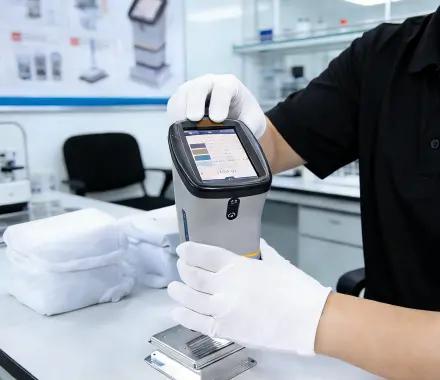
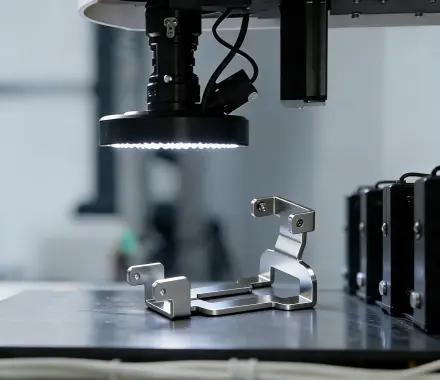
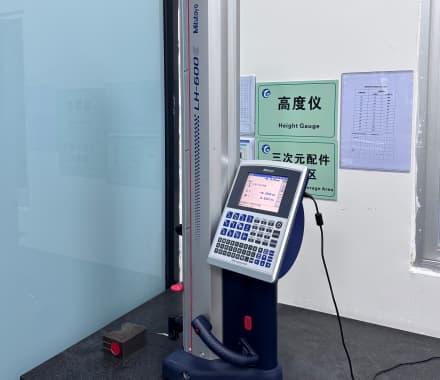
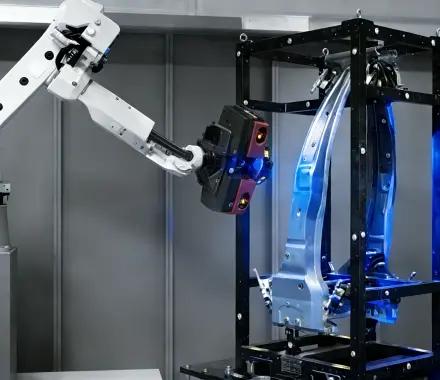
Our ISO 9001, ISO 13485, and AS9100D certified FDM facilities adhere to stringent international standards for quality and compliance, ensuring reliability for regulated, high-performance projects.
We leverage advanced industrial FDM printers, a seasoned engineering team, and precision tools like CMMs to ensure dimensional accuracy and consistent mechanical performance across every part.
From material validation to final inspection, every stage follows rigorous quality control protocols. Full traceability and documented checks provide global customers with confidence in every delivery.
With LS Manufacturing's professional FDM 3D printing services, you gain precision-engineered quality, reliable turnaround, and flexible manufacturing tailored to high-performance industrial needs.
/01
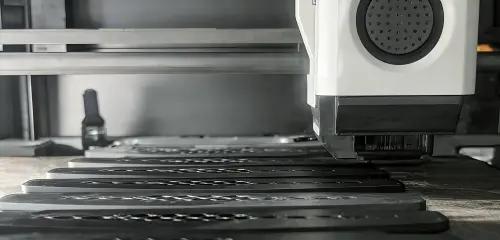
Our ISO 9001, ISO 13485, and AS9100D certified processes, paired with CMM inspection and material performance testing, ensure consistent dimensional accuracy and mechanical stability for every part.
/02
Optimized industrial workflows and batch processing capabilities deliver stable lead times, with dedicated support for priority projects to keep your production on track.

/03
We offer end-to-end customization, including complex geometry printing, material selection, and post-processing, to meet the exact requirements of regulated, high-performance applications.
ADVANTAGES

FDM achieves consistent dimensional accuracy for industrial parts, with stable tolerance control to meet the precision requirements of high-performance industrial applications and ensure perfect fit of assembled components.
FDM parts are made of high-performance engineering thermoplastics, featuring excellent structural strength, impact resistance and thermal stability, which can be directly used as industrial-grade end-use parts for long-term operation.
Our large FDM build platform supports the molding of large structural parts and the simultaneous rapid production of multiple small components, effectively improving the overall production efficiency of industrial projects.
FDM eliminates the need for mold making and other pre-processing procedures, realizing rapid production of industrial parts and effectively shortening the production cycle of high-precision projects.
We use authentic industrial-grade thermoplastics, including high-temperature resistant, chemical-resistant and reinforced composite materials, to fully meet the material performance requirements of various industrial scenarios.
FDM printers can produce industrial end-use parts on demand, optimize the production process and improve manufacturing efficiency, helping you to launch high-performance industrial products to the market faster.
APPLICATIONS
FDM delivers precision, high-performance solutions for critical industrial use cases
FDM enables rapid creation of physical prototypes for early-stage design validation of high-value industrial components, such as aerospace structural brackets and medical device housings. Its speed and material versatility support quick iteration of complex geometries to align with strict engineering requirements.
Engineered thermoplastics allow FDM to produce durable prototypes that withstand thermal, chemical, and mechanical stress, simulating end-use performance for industrial applications. This is ideal for validating form, fit, and function before investing in high-volume tooling.
High-performance FDM materials create durable jigs, fixtures, and production aids with complex geometries, reducing lead times and costs for industrial production lines. These tools meet the wear resistance and dimensional stability demands of aerospace, automotive, and medical manufacturing.

Aerospace

Medical Devices
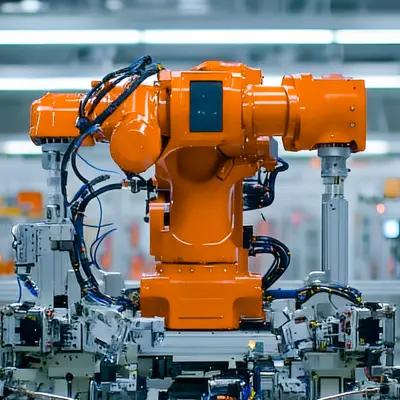
Industrial Automation
Stay updated with the latest news and announcements from LS Manufacturing. Explore our latest articles below.
We offer a full range of industrial-grade thermoplastics, including biocompatible, high-temperature resistant, chemical-resistant, and reinforced composite materials, matching the functional needs of different R&D projects.
Yes. By selecting high-performance engineering materials, FDM parts can achieve mechanical properties and durability comparable to traditional manufacturing, making them suitable for direct use in industrial end-use scenarios with long-term service requirements.
We provide standard and custom finishes. Custom options include vapor smoothing, specialized coatings, and media tumbling, which enhance surface aesthetics, chemical resistance, and durability for high-demand industrial applications.
Focus on matching materials to functional requirements and ensuring printability, such as optimizing wall thickness and minimizing unnecessary overhangs. Our engineering team also provides professional DFM (Design for Manufacturability) advice.
FDM eliminates the need for expensive tooling, effectively reducing upfront costs for low-to-medium volume production. Optimized production workflows further enhance cost efficiency for industrial projects.
Yes. Our production processes are ISO 9001 and ISO 13485 certified, with materials and processes complying with aerospace, medical, and other regulatory standards. Full traceability and validation documentation are available.
FDM's key strengths include a wide material selection, mature and stable processes, and excellent design freedom, making it ideal for manufacturing complex industrial components and production tooling.
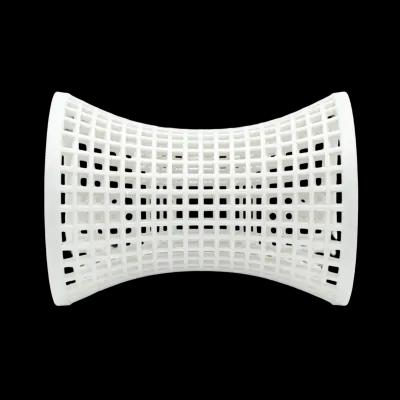
Yes. FDM does not require mold support, enabling direct printing of complex parts with undercuts, lattice structures, and internal channels, effectively overcoming the design limitations of traditional manufacturing.
By using high-performance thermoplastics and optimized processes, FDM parts offer excellent tensile strength, impact resistance, and environmental stability, suitable for harsh industrial operating conditions.
We prioritize recyclable thermoplastics and optimize production to reduce waste. Some materials also offer biodegradable properties, aligning with sustainability goals in industrial applications.